
-

🏔️🌲Bootlegsnake🌲🏔️


 2025-11-12 22:06:42 UTC
 As I make progress on my Tiaseeb figure, I thought it’d be a cool opportunity to talk a little about pythin biology.
Starting with one of my favorite features, their ears.
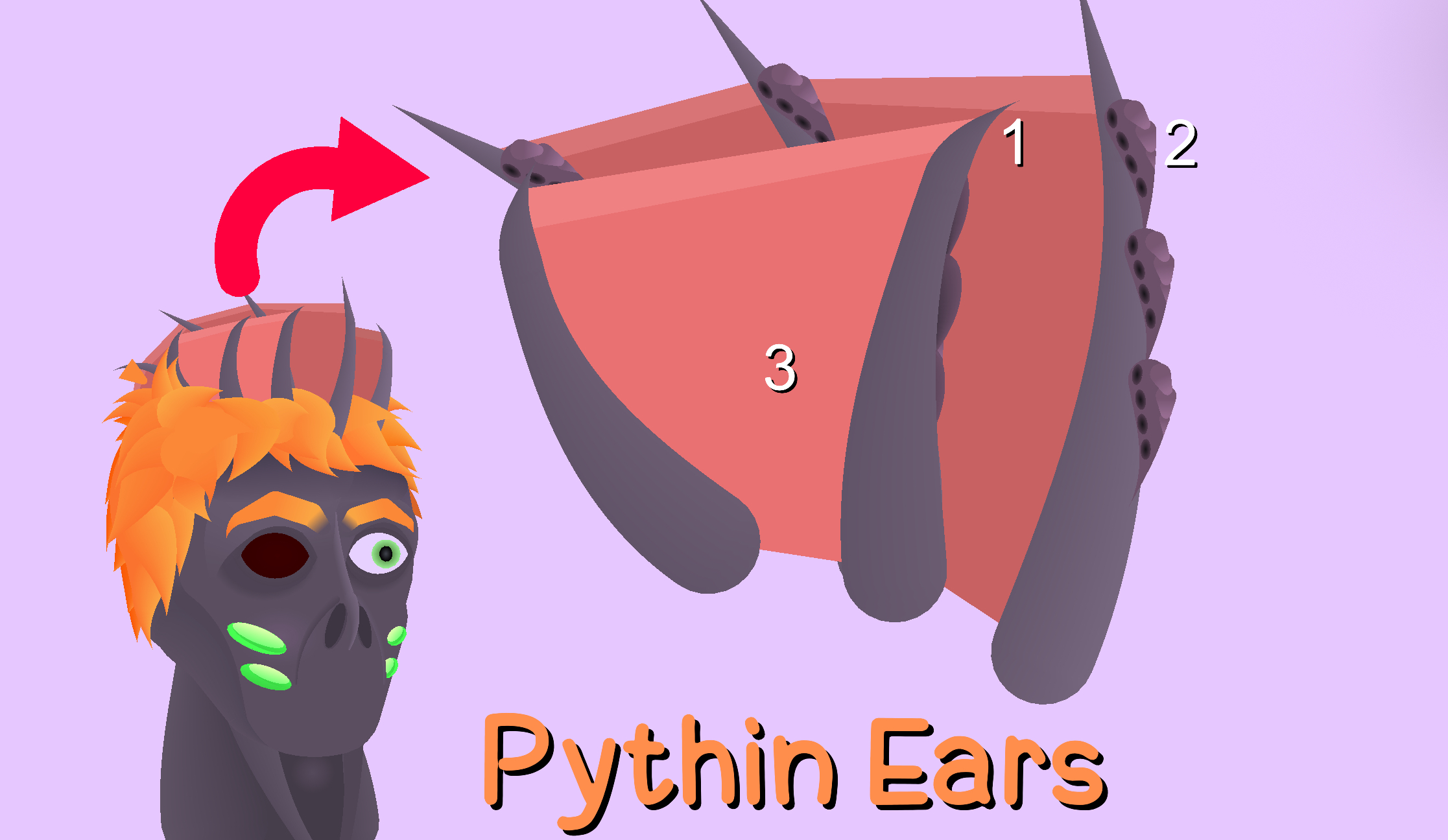
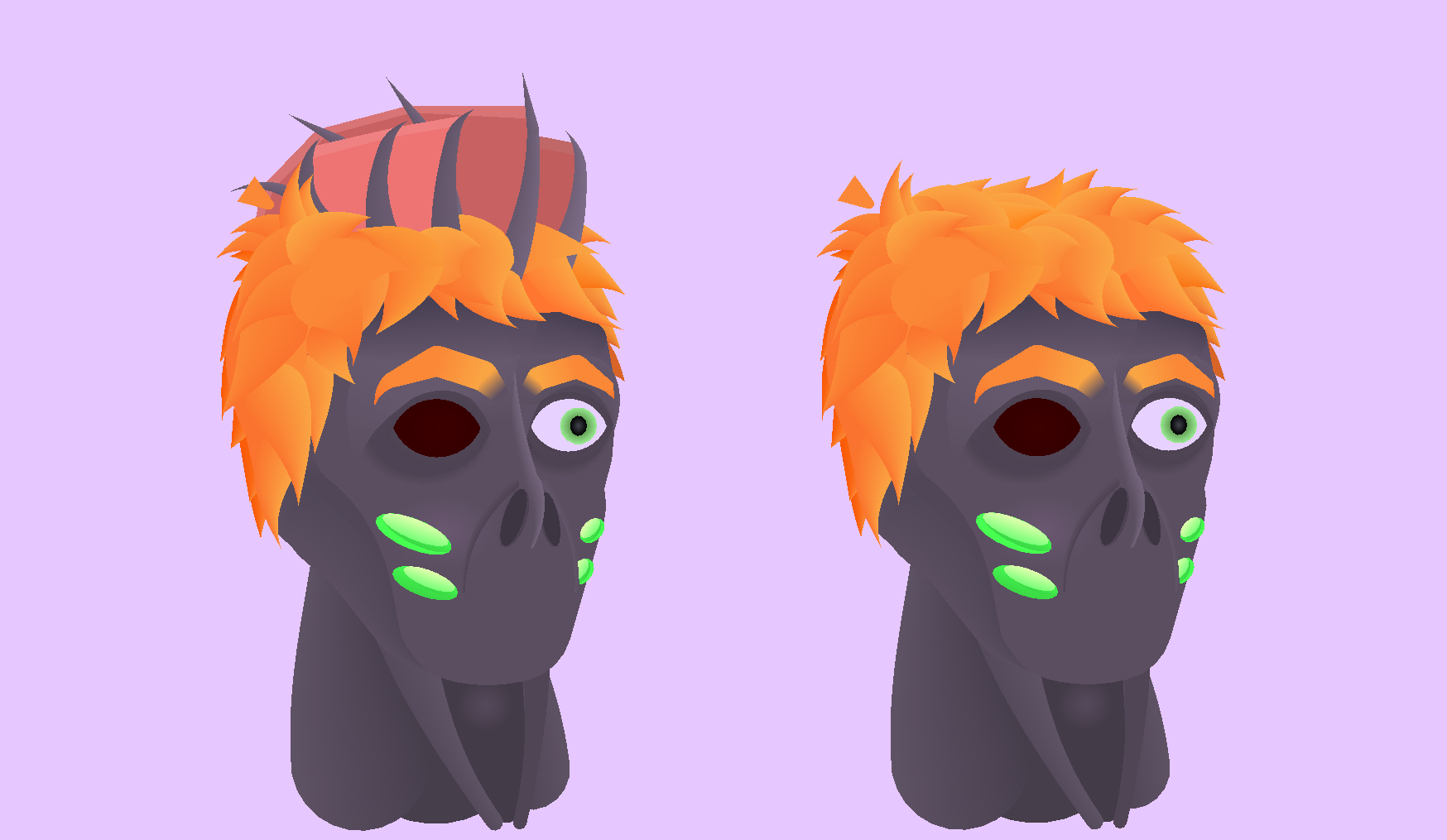
Pythins have three sets of fin-like ears located on the tops of their heads. Their ear-fins provide a greater function than just hearing, as the majority of spoken pythin languages rely on the noises they produce to communicate.
Point 1) Hard, bony, finger-like protrusions at the tips of their ear-fins. These protrusions interact with point 2 to create sound.
Point 2) Hollow keratin growths. These tiny lumps of keratin create wooden sounds when scratched or tapped. The bony finger-like protrusions of point 1 scratch against the shingle-like exterior of these growths to produce a noise like a frog croaking, a zipper, or a guiro. When two of these growths tap against each other, they emit a noise like the tapping of wooden claves.
Point 3) Membrane. The membrane that connects each set of ear-fins are essential for trapping sounds and funneling it into their ear drums. Located at the base of their ear-fins are their ear holes. These membranes will flex to cup incoming sounds and direct it downwards into their ear drums.
Although pythins primarily use their ear-fins to communicate, their mouths (not pictured, still working on it!) are capable of communication as well. It wasn’t until the space age where pythins began to interact with their extraterrestrial neighbors that they began using their mouths for formal communication. For much of their history, the most communicating they would do with their mouths involved screams of terror or rage.
Stick Nodes®
A stickfigure animation app created for mobile devices!
Create your own stickman animations on your Android or iOS device!


I remember seeing them in dark places….