-

Collo


 2020-12-08 18:24:30 UTC
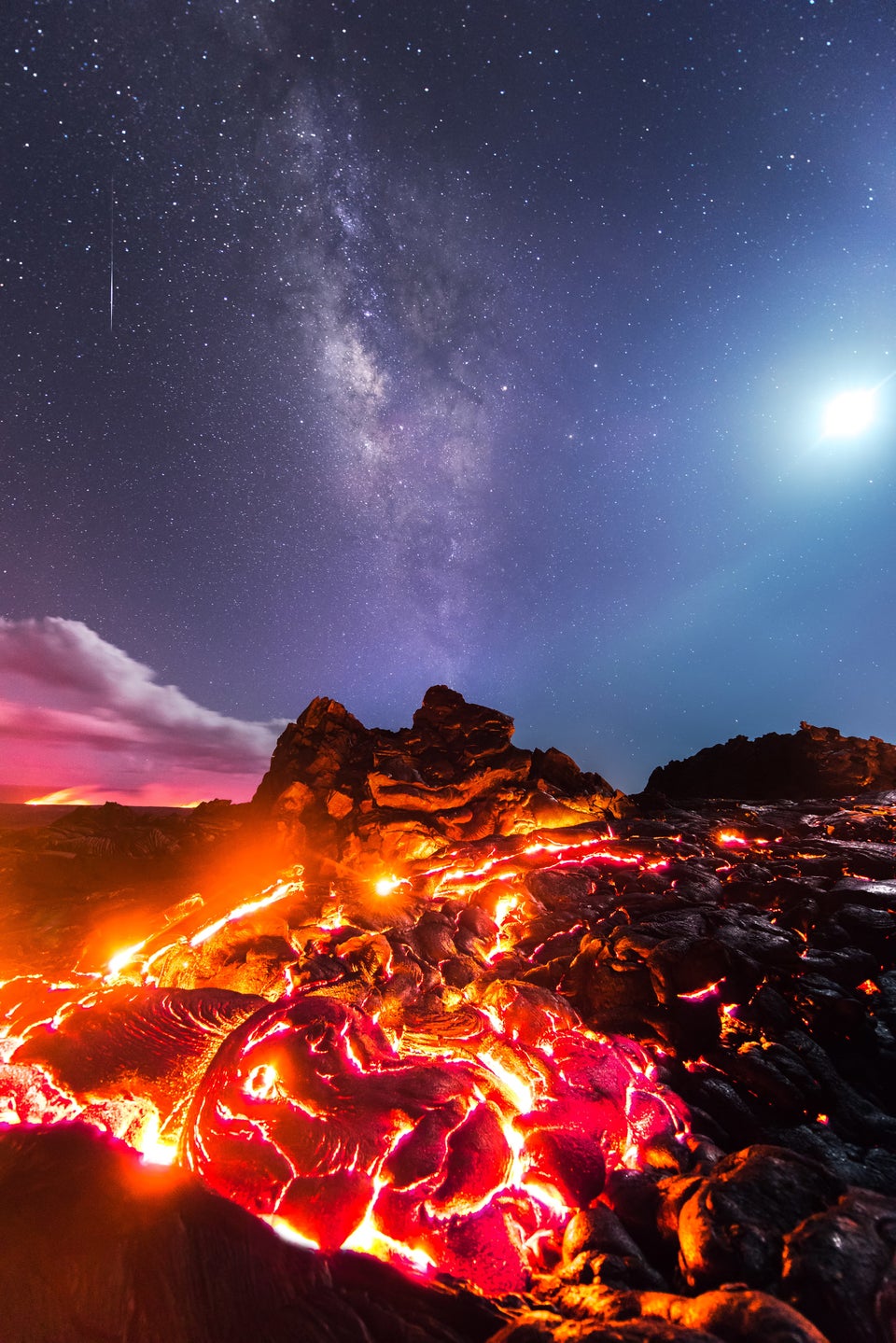
 I read an article on this a while back, and you might not believe me if i say this is real.

Stick Nodes®
A stickfigure animation app created for mobile devices!
Create your own stickman animations on your Android or iOS device!
Collo 2020-12-08 18:24:30 UTC
I read an article on this a while back, and you might not believe me if i say this is real.


the sky is fake but everything else seems legit
The sky isn’t fake, heres the article
https://www.mikemezphotography.com/blog/2018/6/13/lava-the-milky-way-the-moon-mars-saturn-and-an-iridium-flare-in-one-image
Theres too much light pollution for the sky to be visible like that.
from the article:
I’ve had people tell me, “You are lying, the lava would be overexposed. There’s no way to get the Milky Way and moon in the same shot. You had to blend two images to create this shot.” With that said, I’d like to explain the conditions in which this shot was created. First off, let’s start with the night sky. The Milky Way and the moon were relatively close to one another that evening, but due to the moon being a crescent, there wasn’t much light coming from the moon. This allowed the 25” long exposure to absorb enough star light from the Milky Way without completely overexposing the frame and having the moon wash the scene out. Any bigger of a moon that night may have presented that problem. Also, the proximity of the moon to the celestial center of the Milky Way gave just enough space for the moonlight (although weak) to not interfere with the details of the Milky Way.
Let’s move on to the balance of light between the lava and night sky. I’d like to begin with, no, neither my camera gear or myself melted that night, lol. The lava in this image was indeed fresh, but not completely all surface bound. Much of what you see in this image is lava that is cooling and has a crust that has formed over it. This crust greatly reduced the amount of glow from the lava and allowed only small cracks to show the beautiful red lava shining through. This condition allowed for a long exposure / high ISO image to be created without overexposing the shot. I did run into one issue while I was shooting this composition though. Just off to the left of the frame was quite a bit of lava on the surface, so that bright glow created a flare coming into my lens. I tried to use my hand at first to create a lens hood effect, but the spill of light was too great. I eventually had to stand a few feet off to the left of the camera and use my body as a flag to cut off most of the light. As you can see in the RAW file, there was still a small flare which had to be removed in post.
The fact that I was able to capture Mars, Saturn, and an iridium flare in the scene as well was well, just pure luck. If you’re not familiar with what an iridium flare is, an Iridium flare is a specific type of satellite flare made when the antennas of an Iridium communication satellite reflect sunlight directly onto the surface of the Earth.
That doesnt explain anything still.
Did you read.
Did you pay attention..
Nvm, you don’t have to believe it.
I read the article and it still doesnt explain. Theres nothing about light pollution.
Its not always gonna say straight up “light pollution”
“The Milky Way and the moon were relatively close to one another that evening, but due to the moon being a crescent, there wasn’t much light coming from the moon. This allowed the 25” long exposure to absorb enough star light from the Milky Way without completely overexposing the frame and having the moon wash the scene out. Any bigger of a moon that night may have presented that problem. Also, the proximity of the moon to the celestial center of the Milky Way gave just enough space for the moonlight (although weak) to not interfere with the details of the Milky Way.”
So its saying that a distant object absorbed all the light polution? Im just gonna say i think thats total bullshit.
Im not completely sure, but i don’t think thats the case.
The photographer mustve been far away from man made objects, but its saying that the moon was a crescent, there wasn’t much light coming from it.
this allowed the exposure to im thinking instead of absorb, i think its saying seeing enough star light from the milky way without washing out the scene.
But just because theres no man made objects doesnt mean theres no light – theres a huge amount of light already coming from the lava there. That shouldnt be possible because it would light up the atmosphere more.
“Let’s move on to the balance of light between the lava and night sky. I’d like to begin with, no, neither my camera gear or myself melted that night, lol. The lava in this image was indeed fresh, but not completely all surface bound. Much of what you see in this image is lava that is cooling and has a crust that has formed over it. This crust greatly reduced the amount of glow from the lava and allowed only small cracks to show the beautiful red lava shining through. This condition allowed for a long exposure / high ISO image to be created without overexposing the shot. I did run into one issue while I was shooting this composition though. Just off to the left of the frame was quite a bit of lava on the surface, so that bright glow created a flare coming into my lens. I tried to use my hand at first to create a lens hood effect, but the spill of light was too great. I eventually had to stand a few feet off to the left of the camera and use my body as a flag to cut off most of the light. As you can see in the RAW file, there was still a small flare which had to be removed inpost.”
I read the whole article – nothing really explains it. That sky has to be fake.
Things happen on this earth that are sometimes unbelievable.
The photographer must’ve gotten a lucky shot, all the light everywhere happened to be reduced, at the same place and the same time.
Lets just end this debate here.
User Banned
ok here
